
Picking Apples
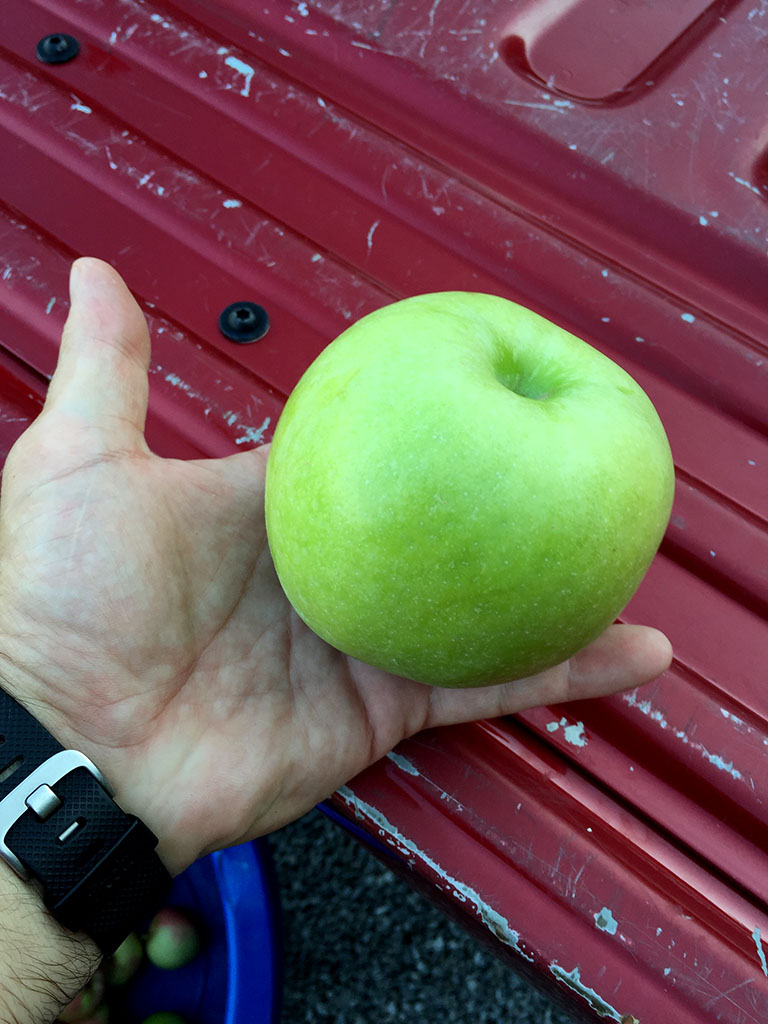
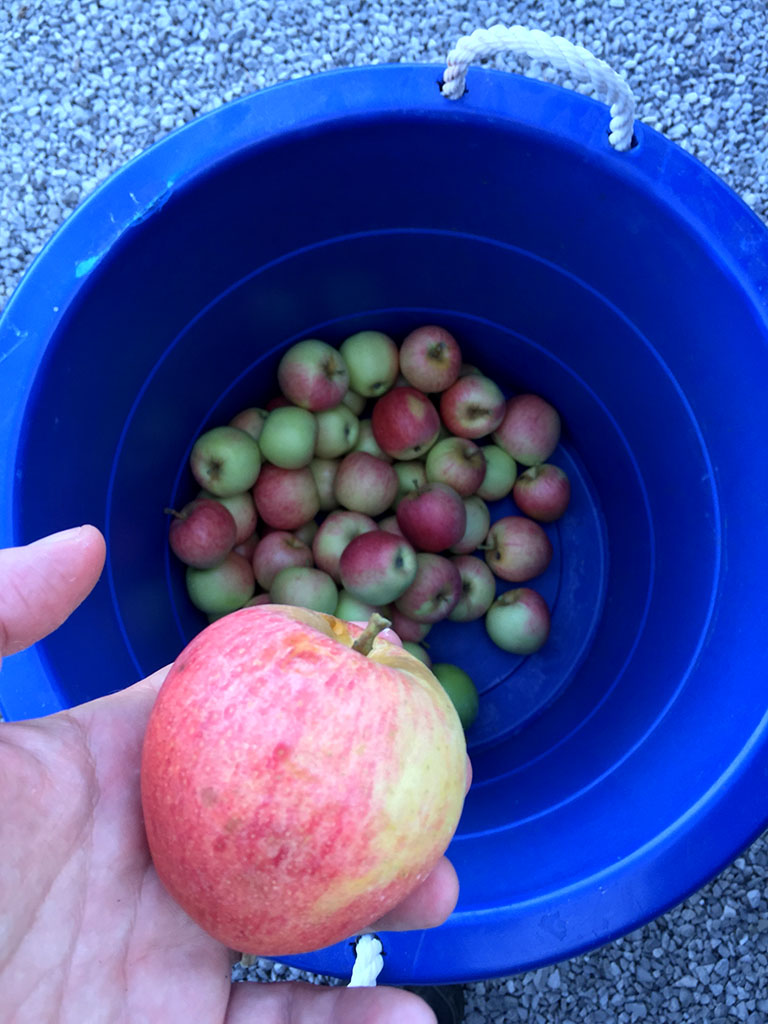
Picked some Granny Smith apples today with my trusty trident (picking tool). Some of these guys were huge.
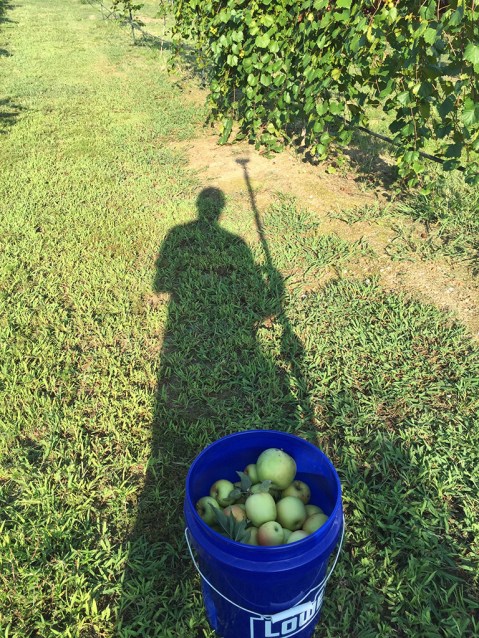
Apples and Peaches are ready
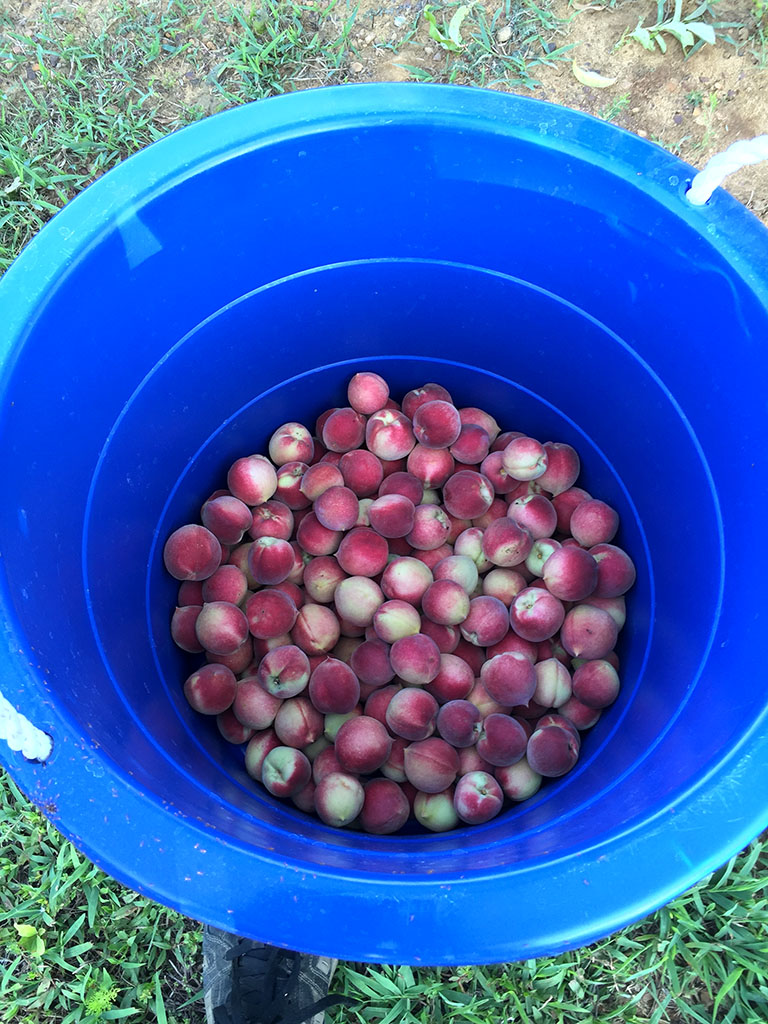
Apples and peaches are ready to pick.
Thinning of the peach trees
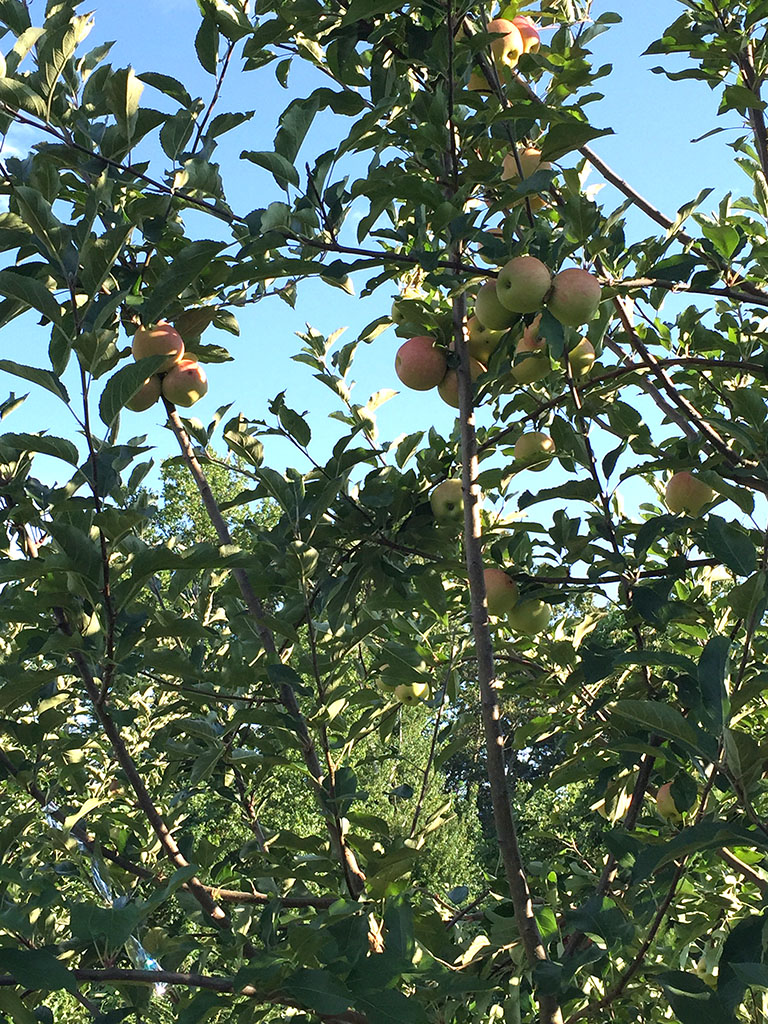
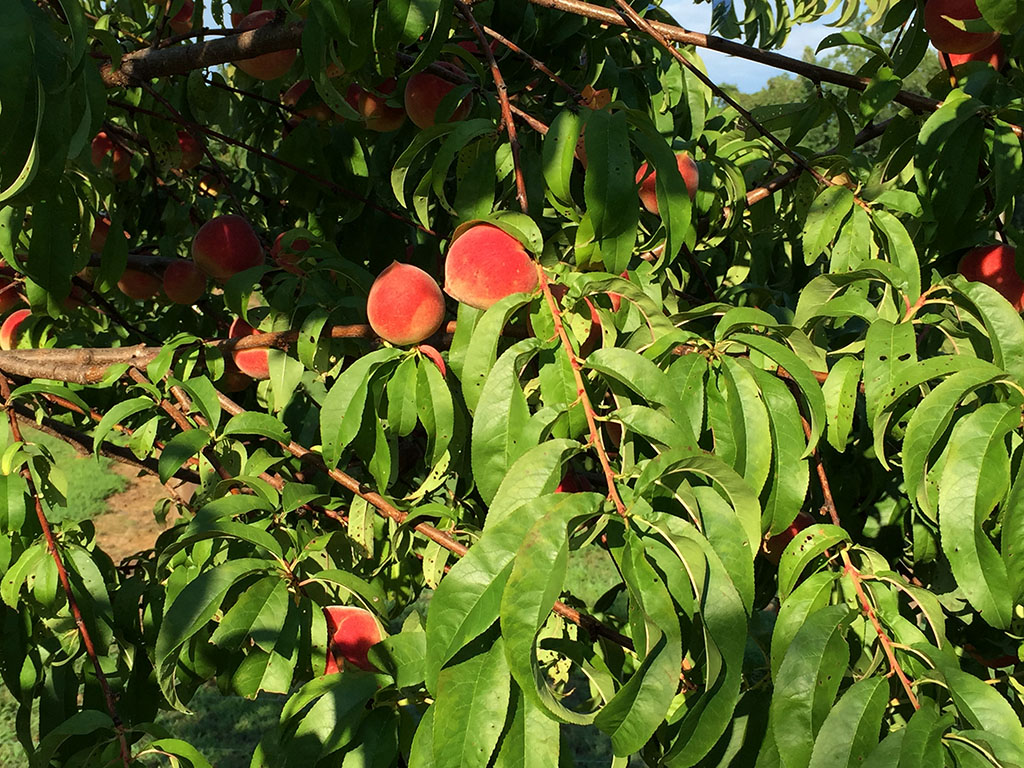
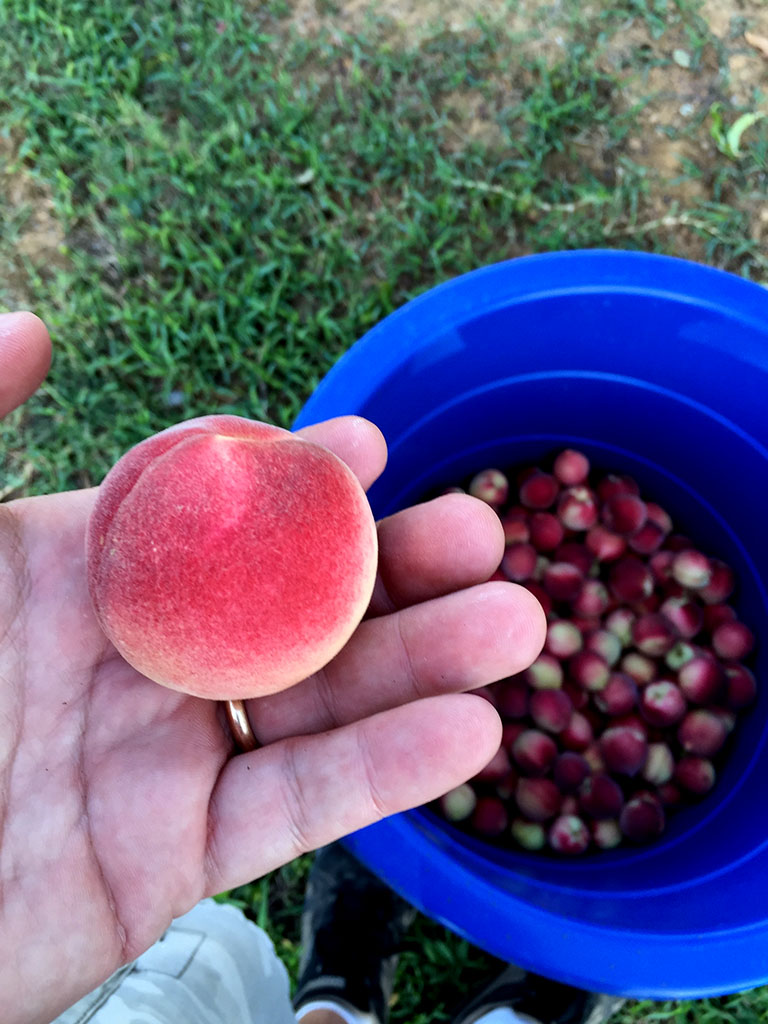
I’m new to growing peaches. First year each tree only had 2-3 peaches. Last year they were loaded but they all turned brown and wilted away. So I started spraying this year for fungus and bugs. Still one tree got the dreaded brown rot and lost all fruit. After some research looks like I needed to thin the peaches. Way too many and they can’t touch each other. Here are some pictures after thinning this week.

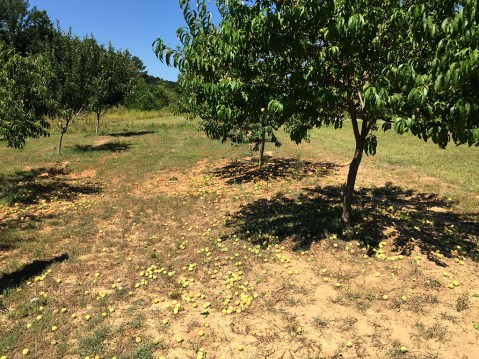
Still may have left too many, but we’ll see how they do.

Little grape clusters starting to show up
Check out the grape clusters.
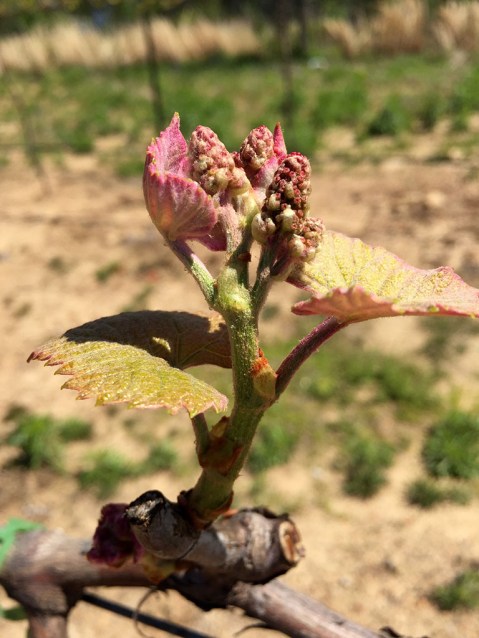
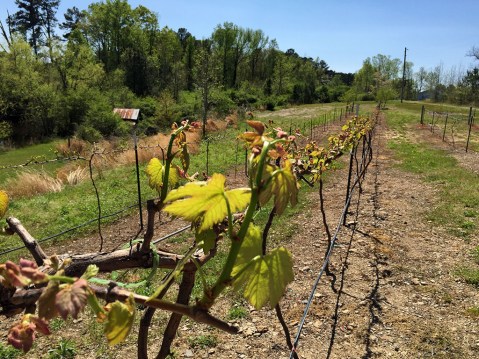
Peaches are coming along as well.
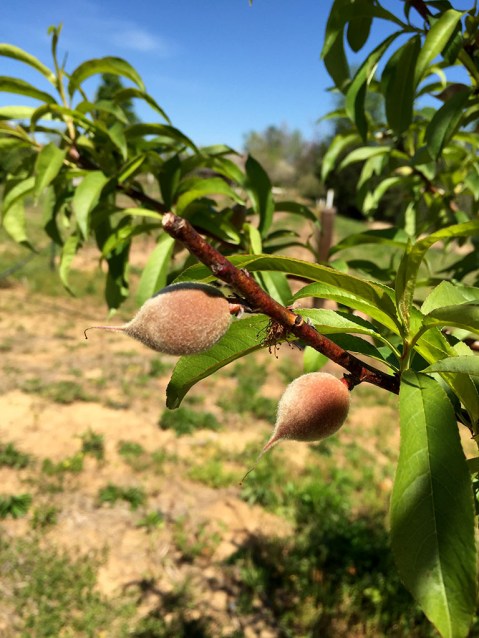
Spring is coming!
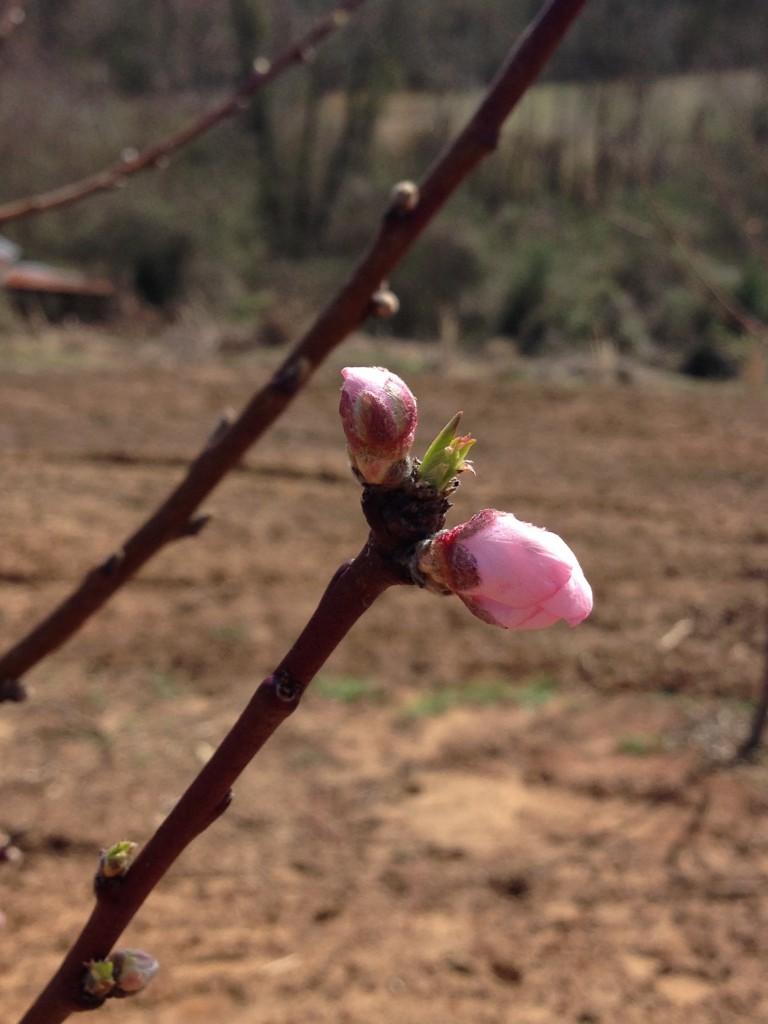
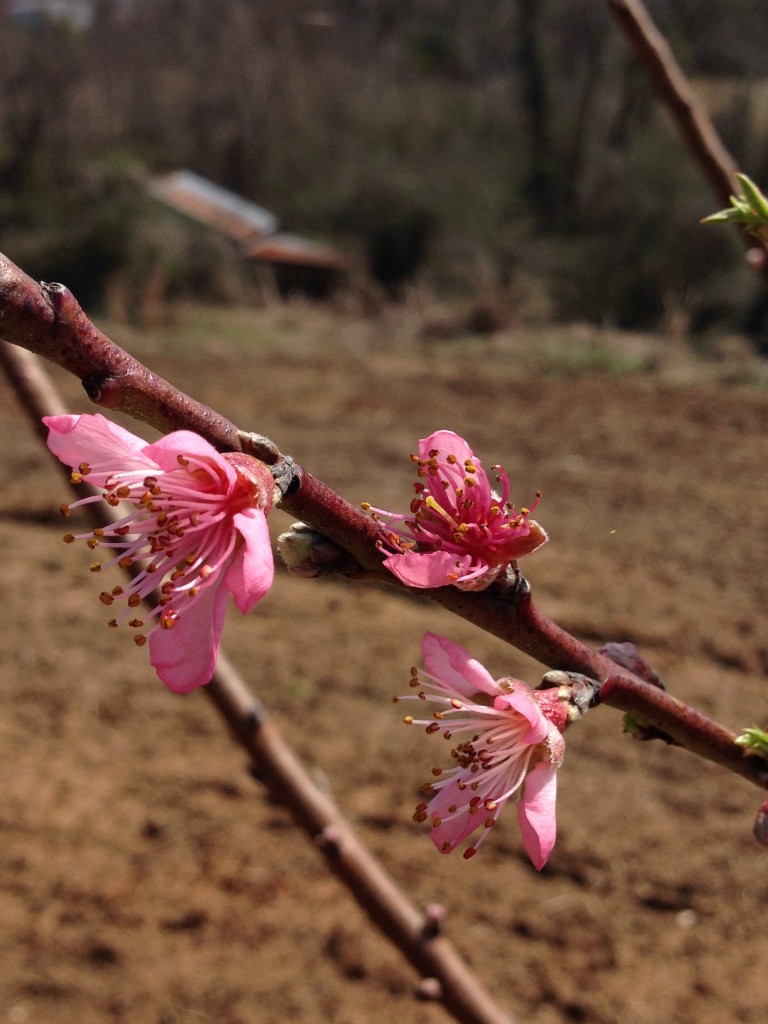
Finally starting to see the signs that spring is on its way. Check out the peach tree blossoms. Bees and butterflies loving the blooms.

Found this guy sunning himself of the lower bank of the vineyard.
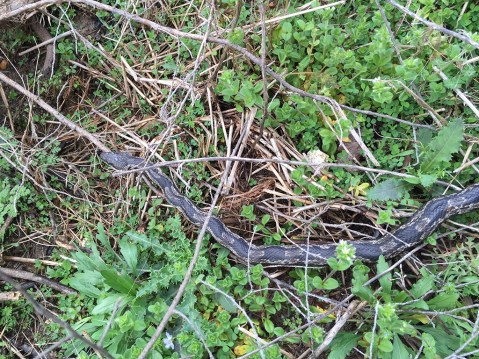
Blue Berries are Ready
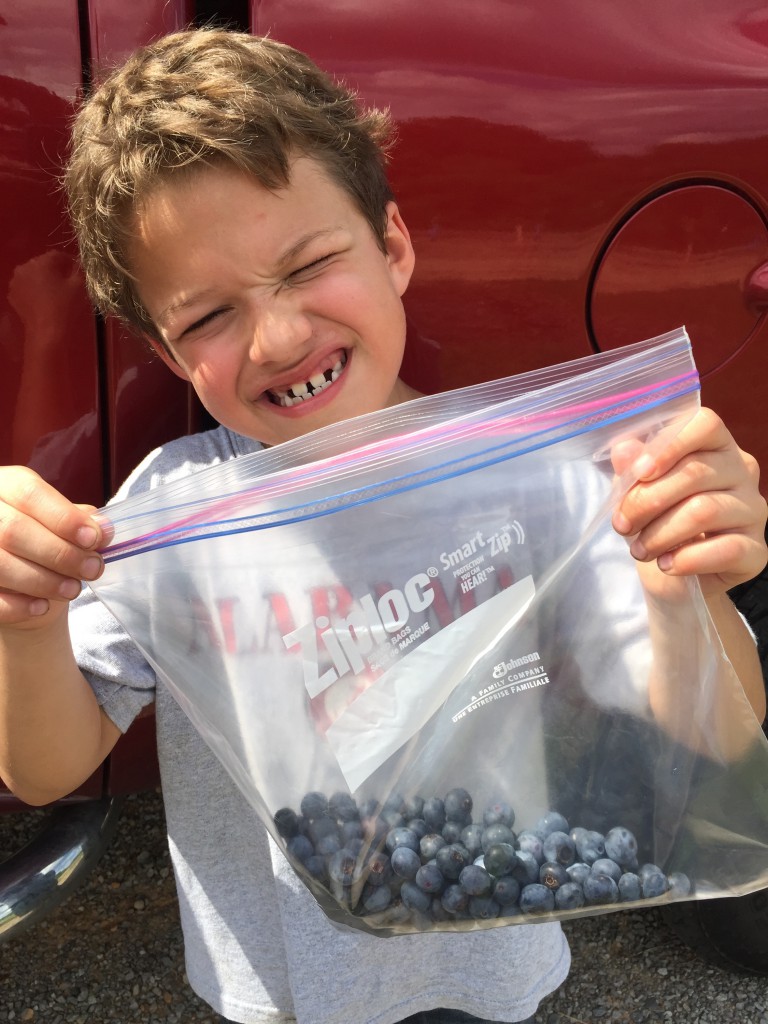
Koda and I picked some Blue berries today. Second year plants and producing pretty good.


Signs that Spring is coming
We had a long cold and wet winter. I’m so over you winter and ready for spring action! Check out the peach blossoms! Spring is in the air.
Spraying a Bordeaux Mixture on the vines
This is something I really should have done in late fall after the vines were in full dormancy, but it can be done early spring as well. So what is a Bordeaux mixture? Its an outstanding fungicide and bactericide that’s been used for decades to control some diseases in the garden, orchard and vineyard. Great for powdery mildew and black rot. I went with the traditional 10-10-100 ratio. The numbers refers 10 lbs. of copper sulfate, 10 lbs. of hydrated lime and 100 gallons of water. For my size of vineyard, I break that down to 1 lb of copper sulfate, 1 lb of hydrated line, and 10 gallons of water. Okay, that still a bit more than I need for one spraying and once you mix this all together it does not keep long. So I mix 1 lb of coper in an old washed out 1 gallon plastic milk jug and fill to the top with water (leave a little air space). Mix well and set to the side. Now do the same for the hydrated lime, 1 lb in a milk jug, fill almost to top with water, give it a good shake and set aside. Here’s the hard part, you really need to wait a couple of hours, or until the next day, to give the mixtures time to incorporate well with the water. Give it a good shake every time you see it for good measure. The water will separate over time, but no worries you will mix before use.
Final mixing, if you have a 2 1/2 gallon sprayer, put about a gallon of water in the sprayer, shake the milk jugs with the coper and lime good to incorporate well. Then pour 1 quart of the lime and 1 quart of the copper into the 2.5 gal sprayer. Put top on and mix well. Now take off the top and fill to the 2.5 gal mark put the top back on and shake it up baby. If you only have a 2 gal sprayer, pour about a gal of water in the sprayer, then measure out 25 oz of copper and 25 oz of lime after you gave them a good shake into the sprayer. Now fill the rest of the way to the 2 gal mark, put top on and shake shake shake.
Warning: You really need to wear protective gear when mixing the hydrated lime. It comes in a powder form and is very dusty. You don’t want to breath it, or get it in your eyes. Although the copper and lime are both organic, together they are very toxic and corrosive. Make sure you label both solutions and store them away from children! Also the this blue mixture will stain anything it touches so be careful how you use and wear protective clothing like I did below.

Before and After


 Lasterday Wines
Recent Comments