
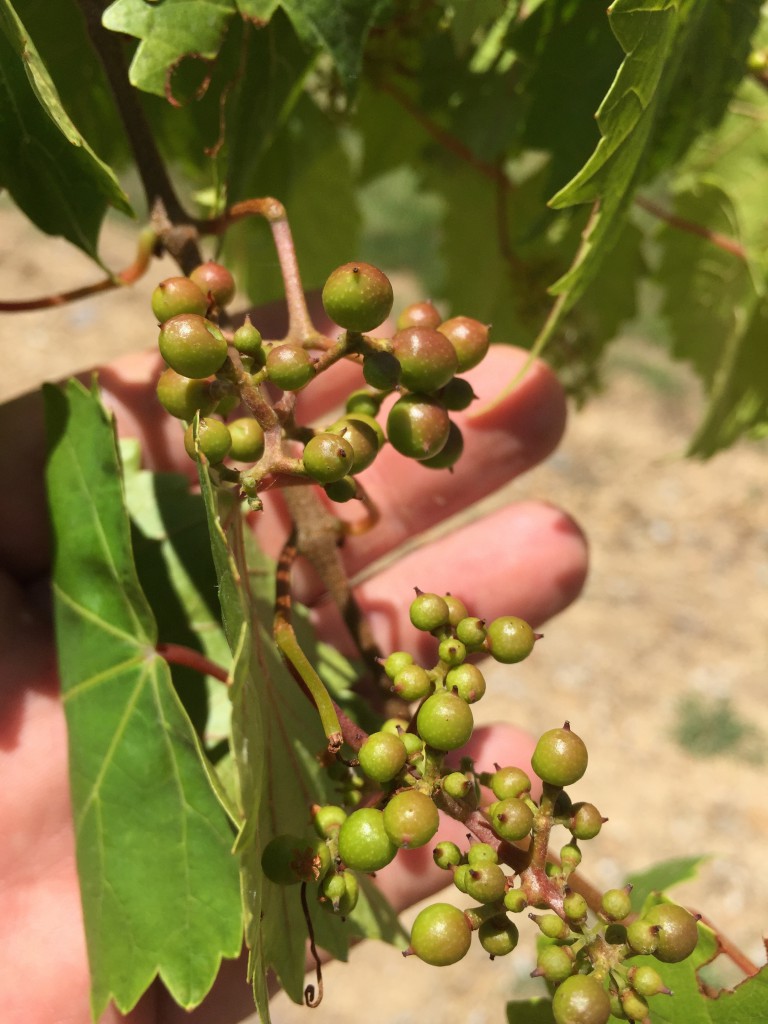
Muscadines are starting to fill out
Nobel Muscadine vines are finished blooming and starting to grow nicely.
Dakota learns how to work and have fun on the farm
Very proud of my youngest this weekend! He’s 8.5 yrs old and would rather play on an iPad or game console than work outside in the sun. I learned early on in life what hard work was all about from my dad and thought it was time to teach Koda. In life we get to play after we do our work. So I promised I would teach him how to ride the 4wheeler after he helped me tie up the vines and irrigation lines. I showed him once what to do, and he quickly mastered the tasks and then took off on his own trying up the lines. Here I’m teaching him how to ride the 4wheeler. Don’t freakout about him not wearing a helmet. I promise he will wear one next time he gets on it.
Motorcycles, 4-wheelers, cars, and anything with a motor, once mastered is like a drug. We (boys and men) love riding anything that has a motor in it and will do most anything to get to drive it again. So more life lessons follow. I showed him how to drive the 4wheeler up to the stones and rocks on the side of the vineyard and then load them in the trailer. He would then drive further up and repeat. He filled the trailer halfway up today. Check out this video.

My little working man tuckered out. He is a great helper and loves the farm. He must have told me 50 times how he loves being down there and wish papa was still here to see it. Meeee tooooo.
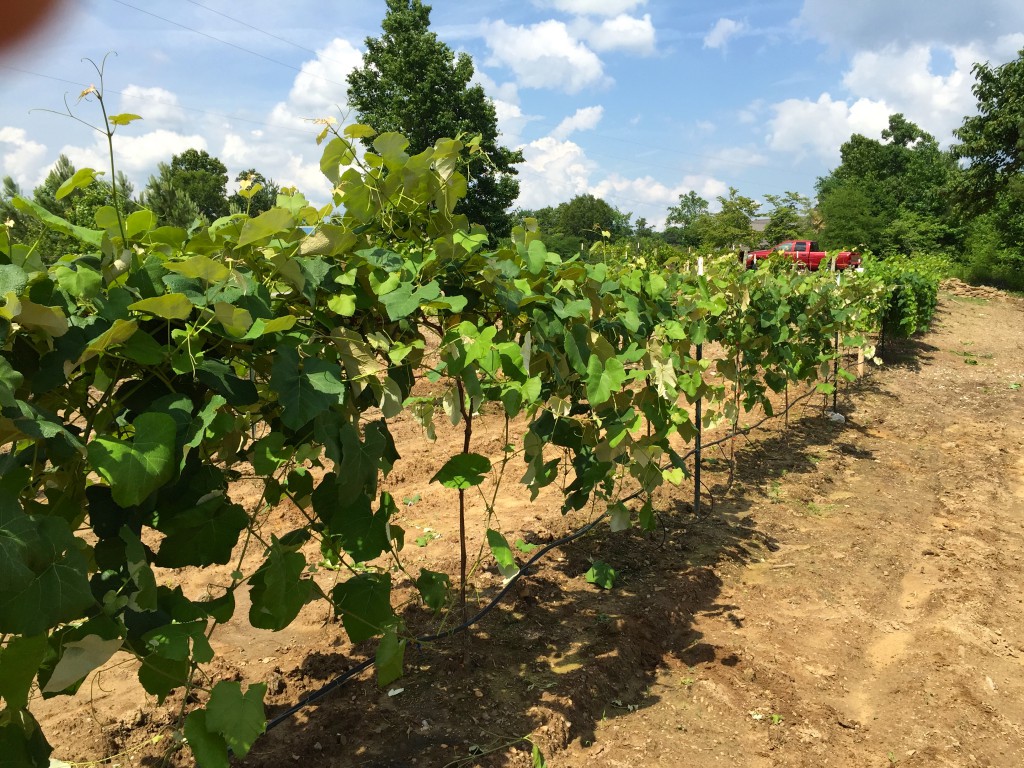
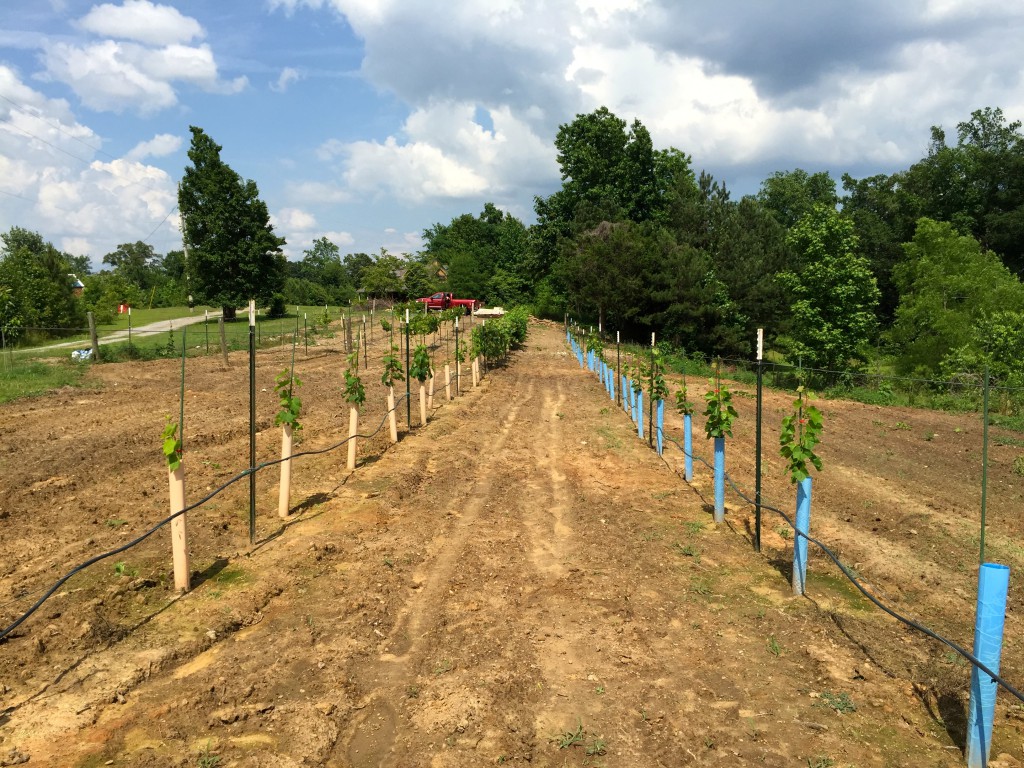
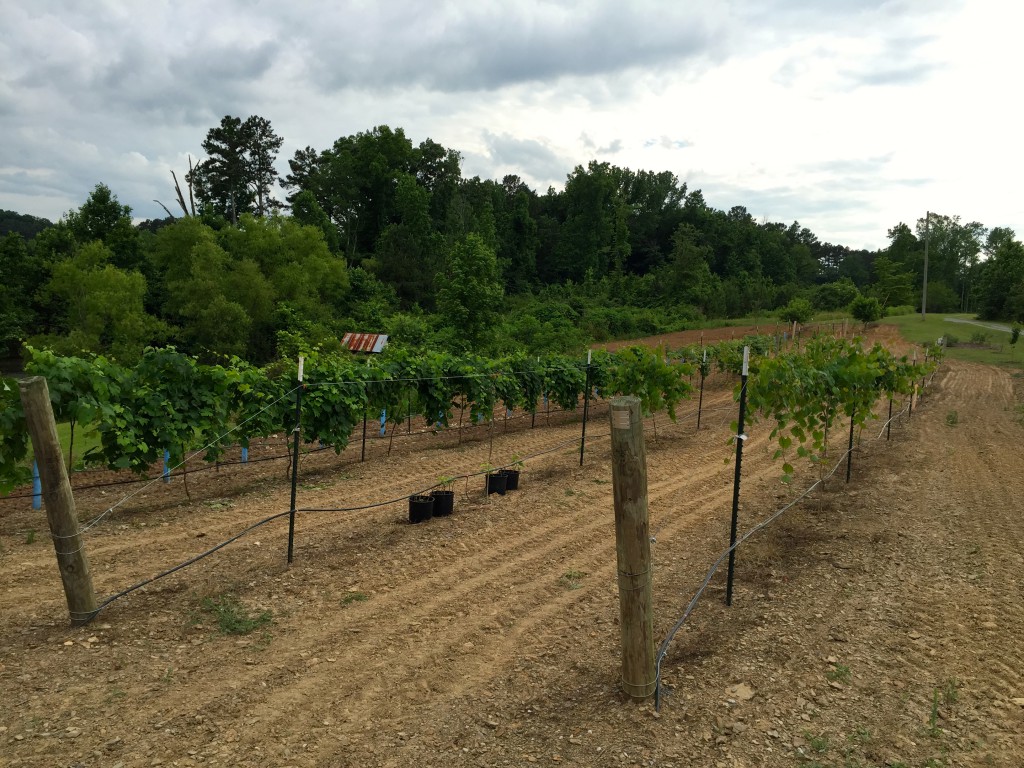

Lomanto grapes are filling out nicely!
These Lomanto grapes are getting huge and knock on wood, no rot yet. I must have started spraying early enough to prevent it. I can’t wait until next year when I can have a good crop. It will be two more years before we get a full crop. Now you know why it takes so long for wine to age. It actually starts from when you plant the vines. Three years for a partial crop and 4-5 for a full crop.
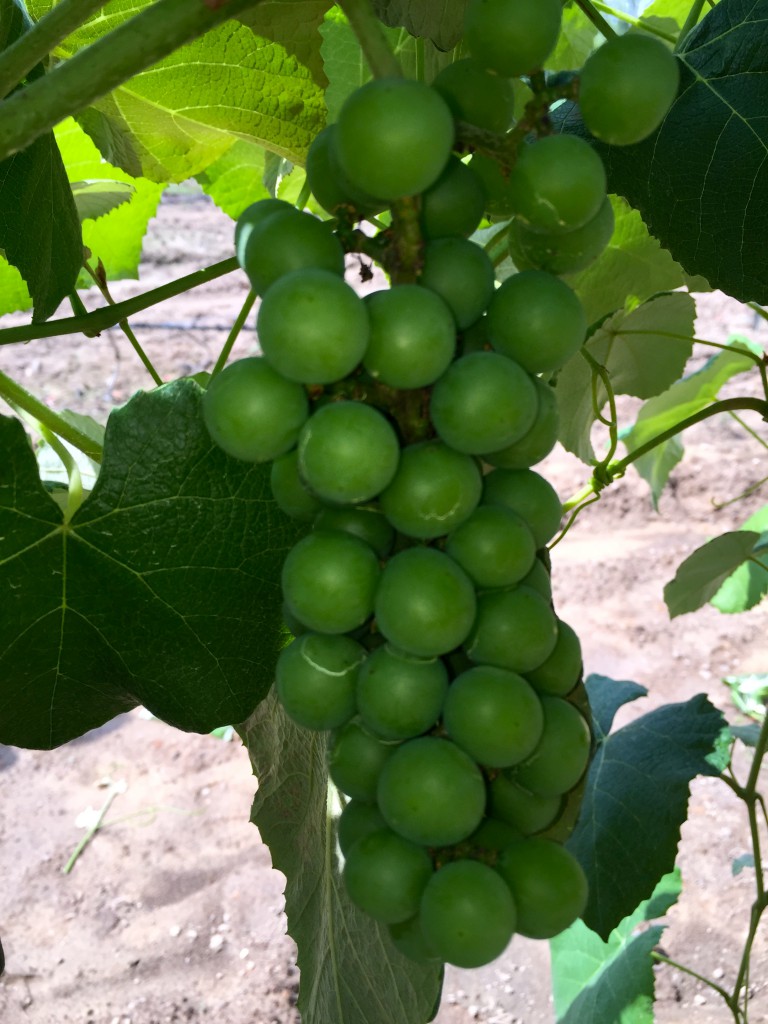

Black Spanish grapes are coming along
This is a month after bloom and looking good. These grapes don’t have as tight of a cluster at the Lomanto. The spacing should help with Black Rot and Powdery Mildew.


Black Spanish Grapes are in full bloom
The Black Spanish grapes are blooming this week! I know I was supposed to pinch off all the grapes this year, but I decided to let each vine set one or two cluster so I could get a good idea when the grape’s bloom, veraison (change color), and harvest time. Plus I’m curious about size, taste, color and sugar content of the grapes.
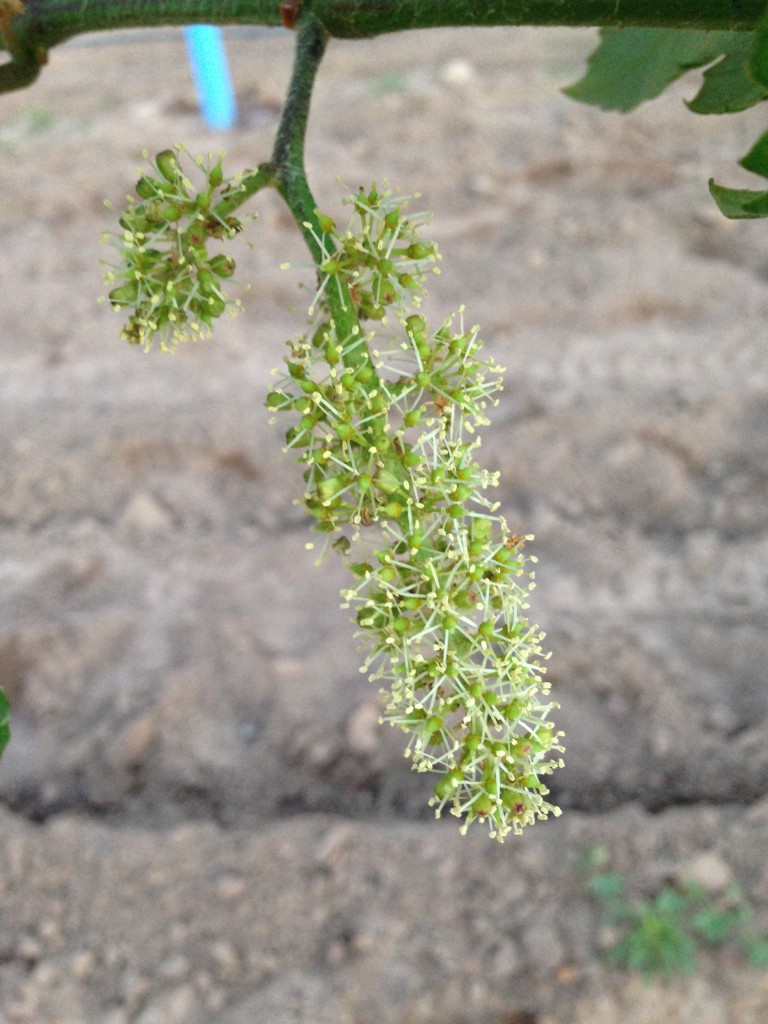
I also fertilized and sprayed again this weekend. From now up to another 4 weeks are when they are most susceptible to black rot and other fungus issues.
Fruit thinning and I might need stitches
Sad day in vineyard today! Not supposed to let the fruit set the first two years on you grapevines. I had to go through and pinch off all the small bunches of grapes.
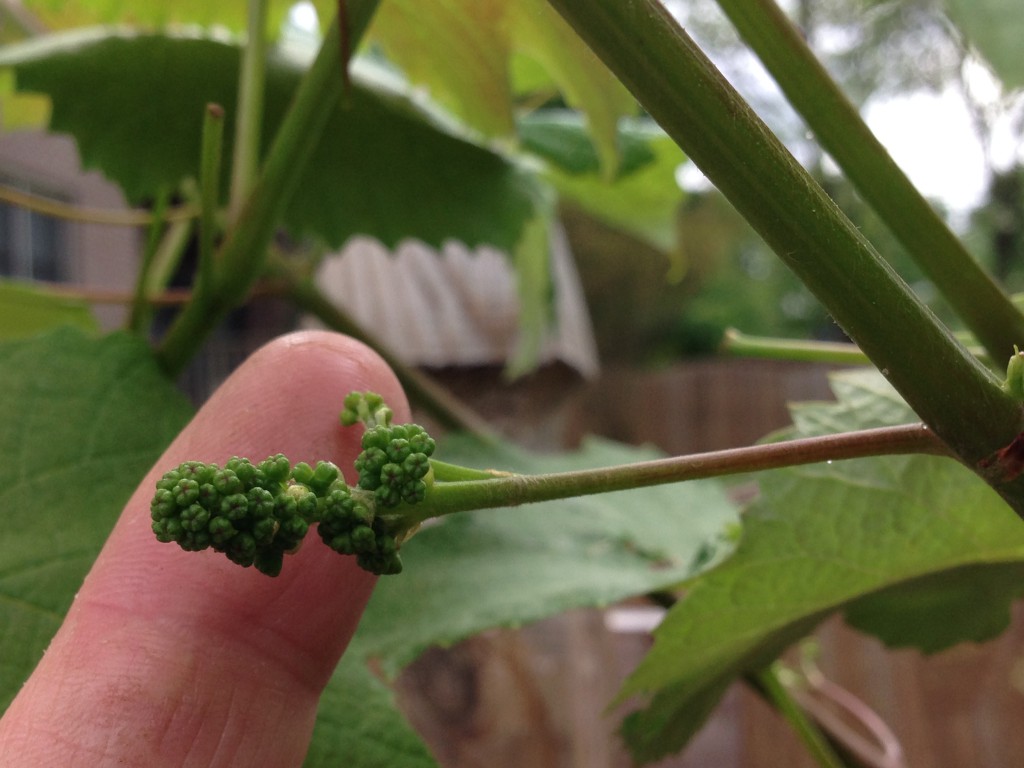
Technically these are just the pre-bloom buds, and not grapes yet. First they flower then start making fruit. On the bright side the vines are producing hundreds of these little guys. I bet I just pinched off what would have been the equivalent of several hundred pounds of fruit if left to mature.
And while not paying attention in the tool shed, I slipped and fell on my bush axe. I had my gloves on so minimal damage. On the bright side, I didn’t lose an appendage and I learned how to superglue my cut shut. Of course I used some hydrogen peroxide first to clean it up. The glue really does work. I was able to get right back to work. No trip to the ER today!


Shoots are growing well. Time to start spraying.
The shoots are growing well and you can see small grape clusters forming. Time to start spraying. Below is the regiment I plan to follow. I didn’t spray enough last year as I thought I didn’t need to because it was first year and no fruit growth. Major mistake. The Black Spanish had several issues that I’ll be fighting to fix this year. Spray all your plants even the newly planted vines to help them get a great start.
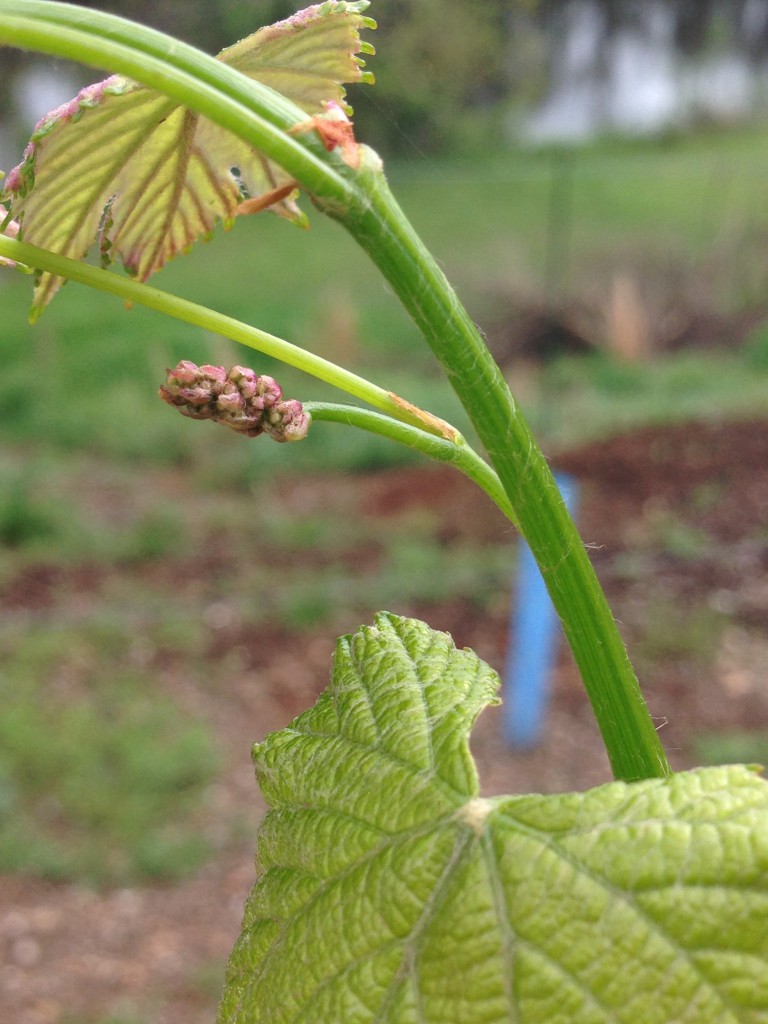
Early spraying with fungicides and insecticides will keep disease and pests off your plants. Use a sprayer with a higher PSI pressure for better leaf penetration. The PSI should be greater than 60 PSI (80-90 PSI is better).
New shoot sprays: Begin when shoots are 4-6 inches long and repeat 7 – 10 days later.
- Use Captan at a rate of 2 tbsp per gallon or Mancozeb at a rate of 3-4 tsp per gallon of water in a sprayer
- Also add Malathion to the sprayer at 2-3 tsp per gallon for insects (don’t need much for mites and smaller pest) later in the year when the Japanese Beetles show up I bump up to 1 tbsp).
Pre-bloom: When first blossoms start to open. Most damage from black rot occurs from pre-bloom through 4 weeks after bloom.
- Use Mancozeb (better than Captan at this stage) at a rate of 3-4 tsp per gallon of water in a sprayer
- Also add Malathion to the sprayer at 2-3 tsp per gallon
Post-bloom: When most of the bloom caps have fallen off the vine.
- Use Captan at a rate of 2 tbsp per gallon of water in a sprayer
- Also add Malathion to the sprayer at 2-3 tsp per gallon
Cover sprays: 7 – 10 days later, then at 2 week intervals until harvest
- Use Captan at a rate of 2 tbsp per gallon of water in a sprayer
- Also add Carbaryl 4L (same as Sevin but 2x stronger) to the sprayer at 2 tsp per gallon
- NOTE: Must wait 7 days after last spraying before harvesting fruit when using Carbarl/Sevin!
- NOTE: Must wait 66 days after last spraying before harvesting fruit if using Mancozeb!
Fertilizing new and older plants
Much discussion out there about if/when to fertilize grapevines. Much easier to find info on Muscadine vines. Last year, I put more fertilizer on the muscadines than I did on the grapes. I only put one application on the Lomanto and they struggled later in the year. The Black Spanish did pretty good with one application. I also had some Muscadine die back this spring as I did not make all applications. So I decided to treat both grapes and muscadine the same this year. Below is what I plan to adhere to:
On April 1st, May 1st, June 1st, July 1st
1st year rate of 4 oz of 10-10-10 per plant 12 inches from plant in circle, work into soil
2nd year rate of 8 oz of 10-10-10 per plant 12 inches from plant in circle, work into soil
On
April 15th, May 15th, June 15th, and July 15th
1st Year rate of 4 oz of 34-0-0 (Calcium Nitrate) or 2oz (Ammonia Nitrate) per plant 12 inches from plant in circle, work into soil
2nd Year rate of 8 oz of 34-0-0 (Calcium Nitrate) or 4oz (Ammonia Nitrate) per plant 12 inches from plant in circle, work into soil
3rd Year Use 3 lbs of 10-10-10 on May 1st
4th Year Fertilize as needed depending on growth of your vines
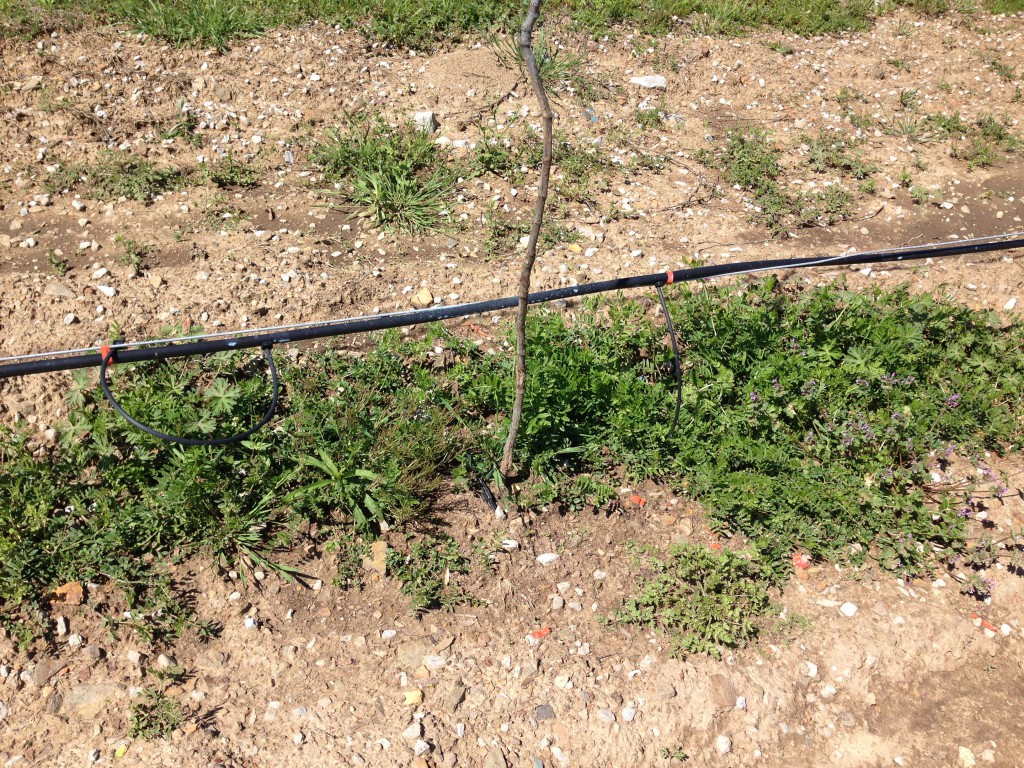
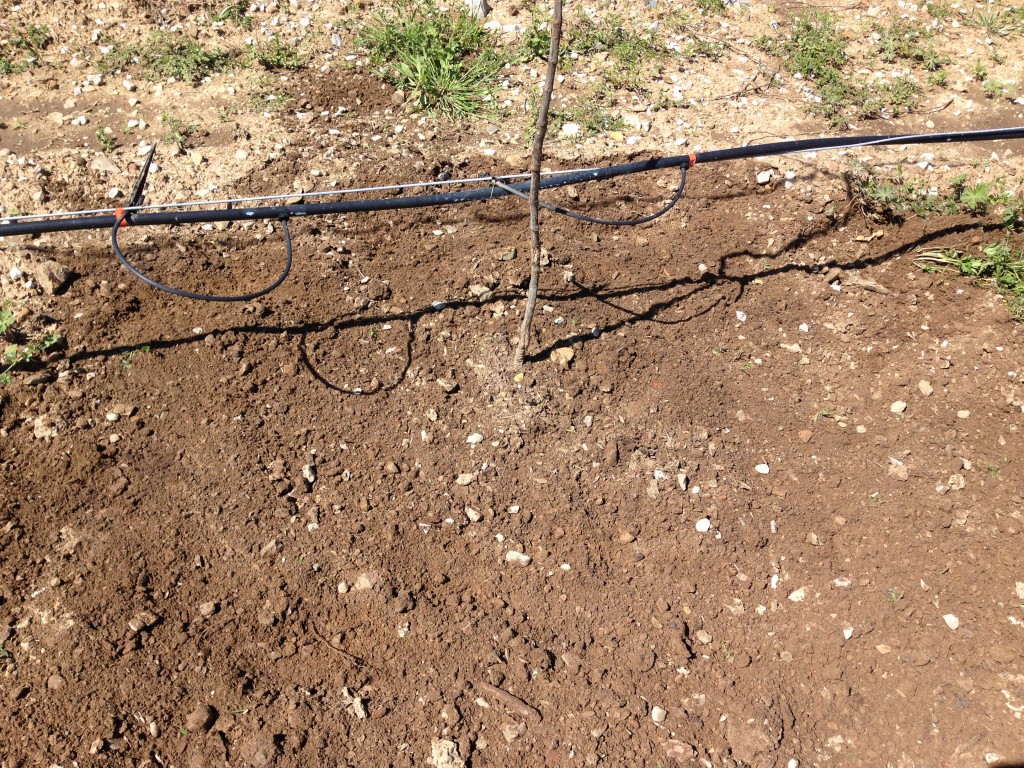
Alabama soils can be low in magnesium, foliar magnesium deficiency frequently becomes noticeable in mid-summer. You can spot this deficiency by the yellowing between the leaf veins on the older grape leaves. If the soil pH is low enough to need lime, use dolomitic lime to help prevent magnesium deficiencies.
You can also use magnesium sulfate (epsom salts) to counter the magnesium deficiency. Young plants should get 2 ounces applied around each vine, keeping the salts 6 or more inches away from the trunk. Apply 4 to 8 ounces per mature, bearing vine. It may require 2 to 3 years of magnesium application to bring the level up for best plant performance.
Reference source: http://www.aces.edu/pubs/docs/A/ANR-0012/ANR-0012.pdf
Bud Break in the Vineyard
This is probably one of the most exciting dates in the vineyard especially after you just planted a few hundred dollars in new plants. This is the first sign that all that hard work will pay off with new growth.
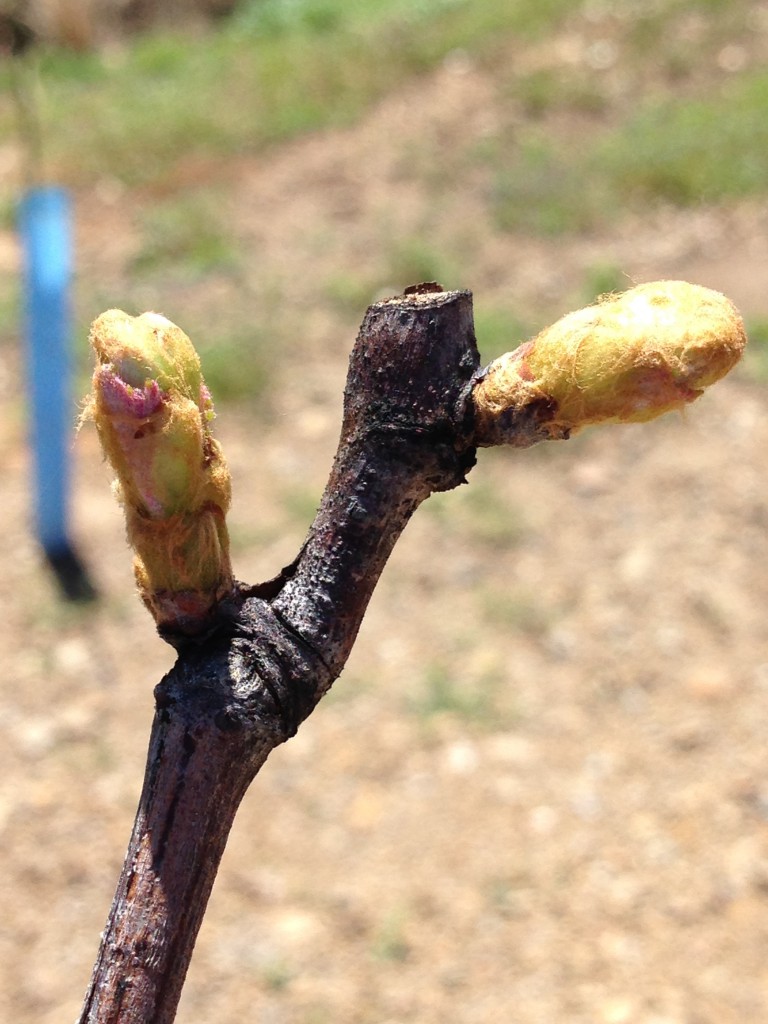
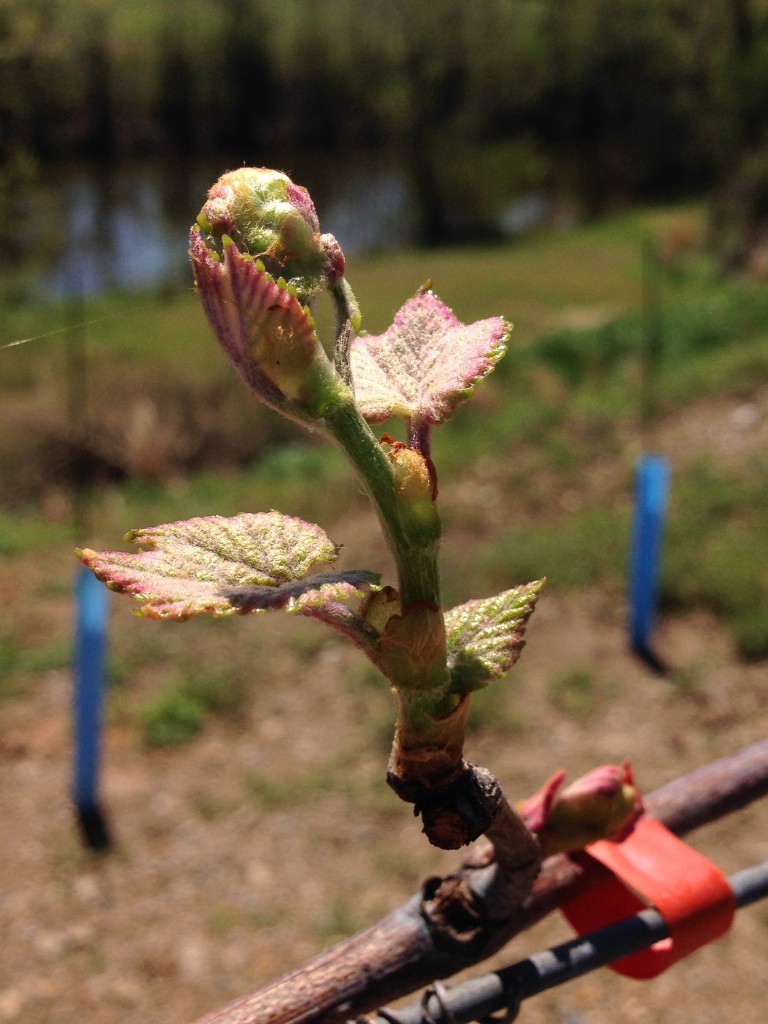
These are second year Lomanto and Black Spanish vines.
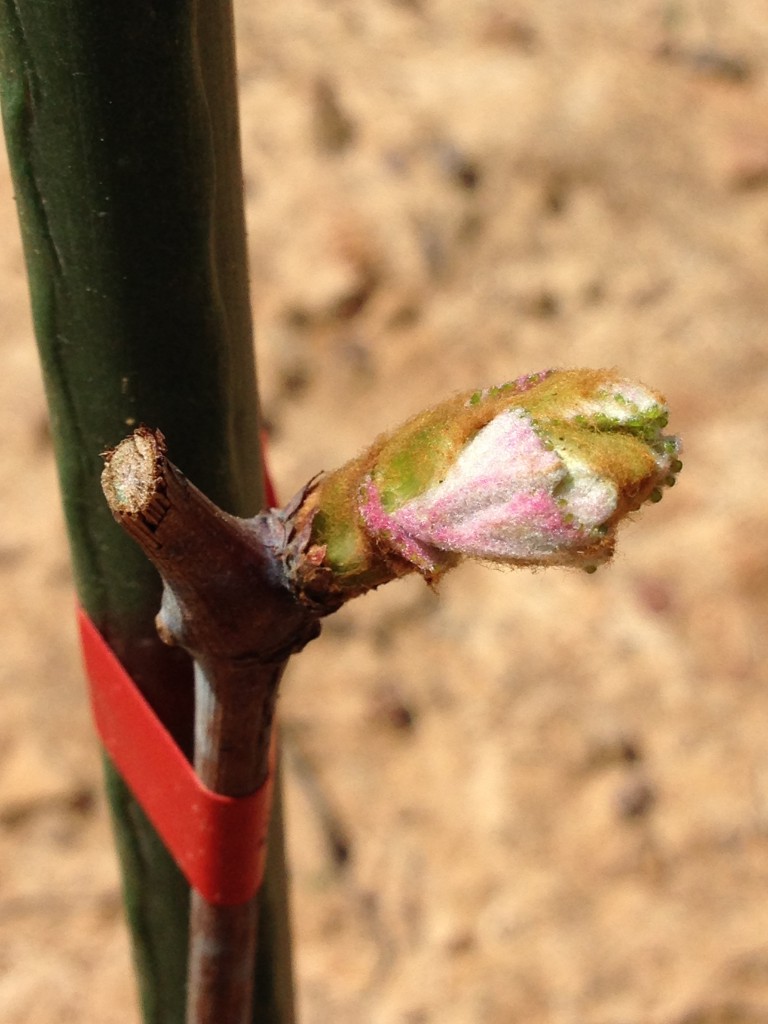
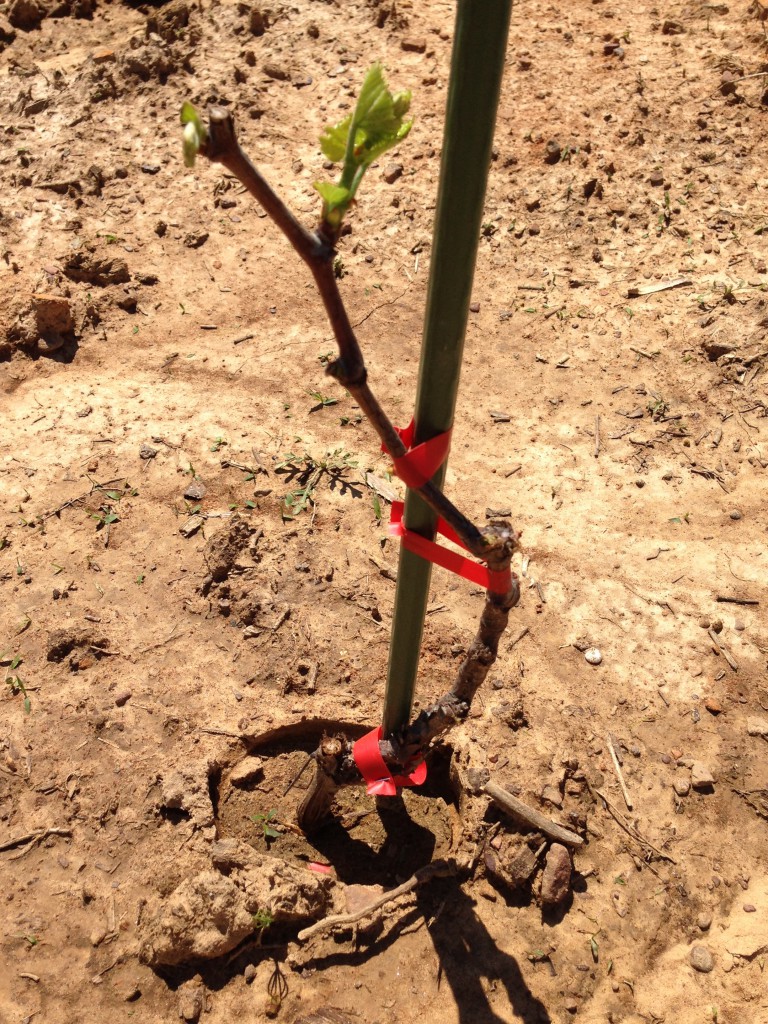
and these are the new Blanc Dubois vines. So far it looks like all new plants are coming out of dormancy.
Before and After


 Lasterday Wines
Recent Comments